Your software factory, defined in code.
Factories-as-code allows for a versioned and measured approach to optimizing costs and performance of your factories.
get up to $10,000 in free factory usage
The Factory definition is the shared foundation for every agent. It connects repositories, credentials, work sources, and cloud access, then sets the execution choices agents inherit.
schemaVersion: v1alpha1name: web-server-factorydescription: Autonomous software-development factory for a web application.alias: web-factoryThe alias is the Foreman’s @-mention handle in Slack and Linear, so teammates can route work to the Factory by name. It can differ from the Factory name.repositories: - owner: acme name: web-server - owner: acme name: web-clientRepositories define where Factory agents can work. Each run checks out the relevant code on its execution host so agents can inspect and change it.secrets: - DEPLOY_API_TOKENSecrets give agents protected credentials for the tools and services they need. Values are encrypted at rest and injected as environment variables only during runs.mcpServers: sentry: warpId: YOUR_MCP_SERVER_IDMCP servers connect every agent to shared tools such as Sentry or internal services. Each named connection references a centrally managed server.cloudProviders: aws: roleArn: arn:aws:iam::123456789012:role/factory-agentCloud providers securely connect Factory agents to cloud accounts and resources for infrastructure work. Federated access lets runs assume an AWS role or use a GCP identity without embedding long-lived cloud keys in the definition.integrations: - type: slack - type: linearIntegrations connect the Factory to work sources such as Slack and to Linear or Jira for task tracking, so the Foreman can coordinate work where your team already works.agentDefaults: model: auto runner: standardAgent defaults establish the model or harness, runner, and environment that roles inherit, while specialized agents can override those choices when needed.trusted by 800k+ devs at

















case study
Cutting our cost per PR from $80 to $30
How we used Warp Factories Benchmarks to test models on our own engineering tasks and optimize for cost without sacrificing quality.
read case study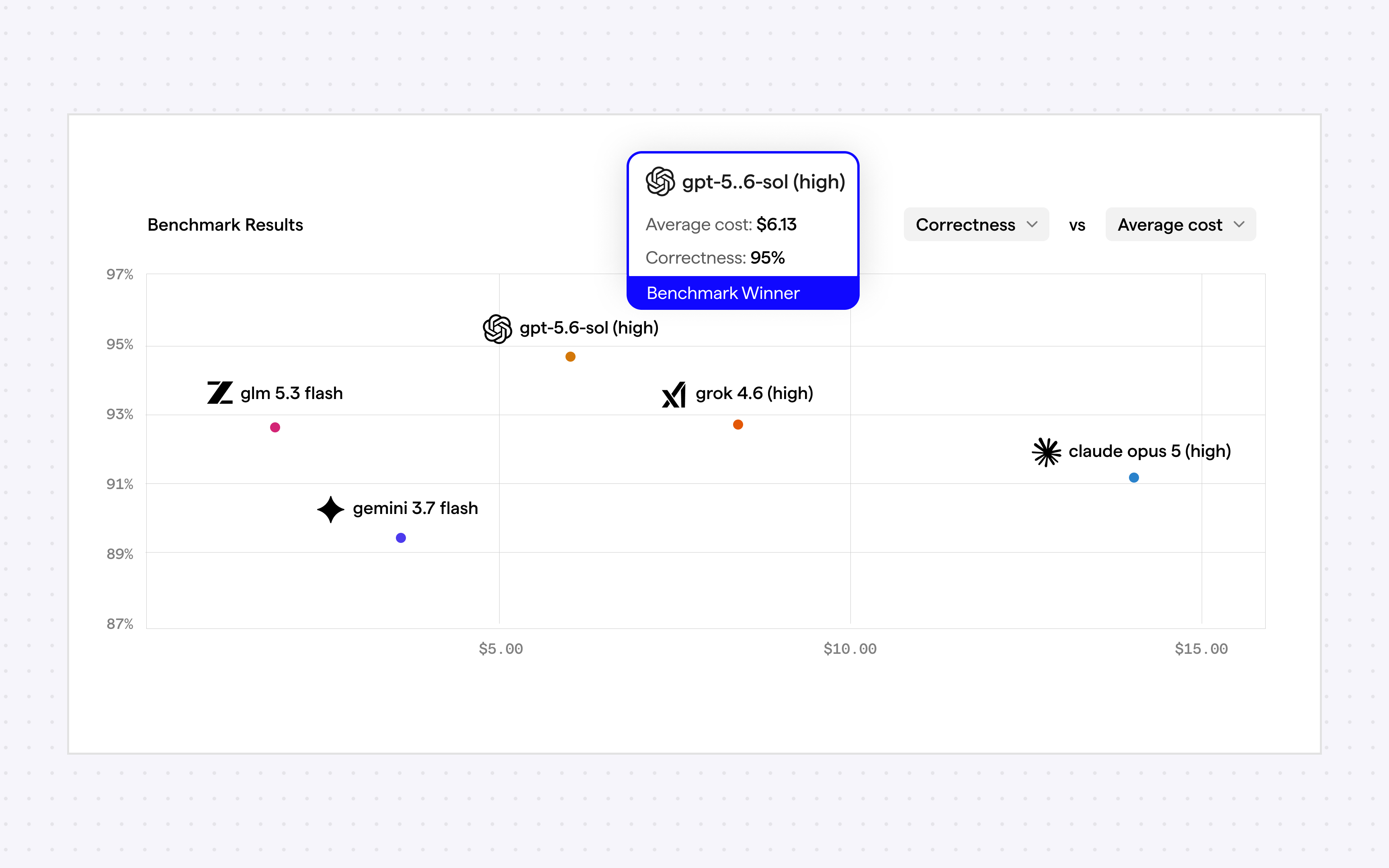
early access
Request early access
Set up your first factory with early access.
get up to $10,000 in free factory usage